

by by Stephanie Dee
Designed by Vida Goncalves
CT State Community College
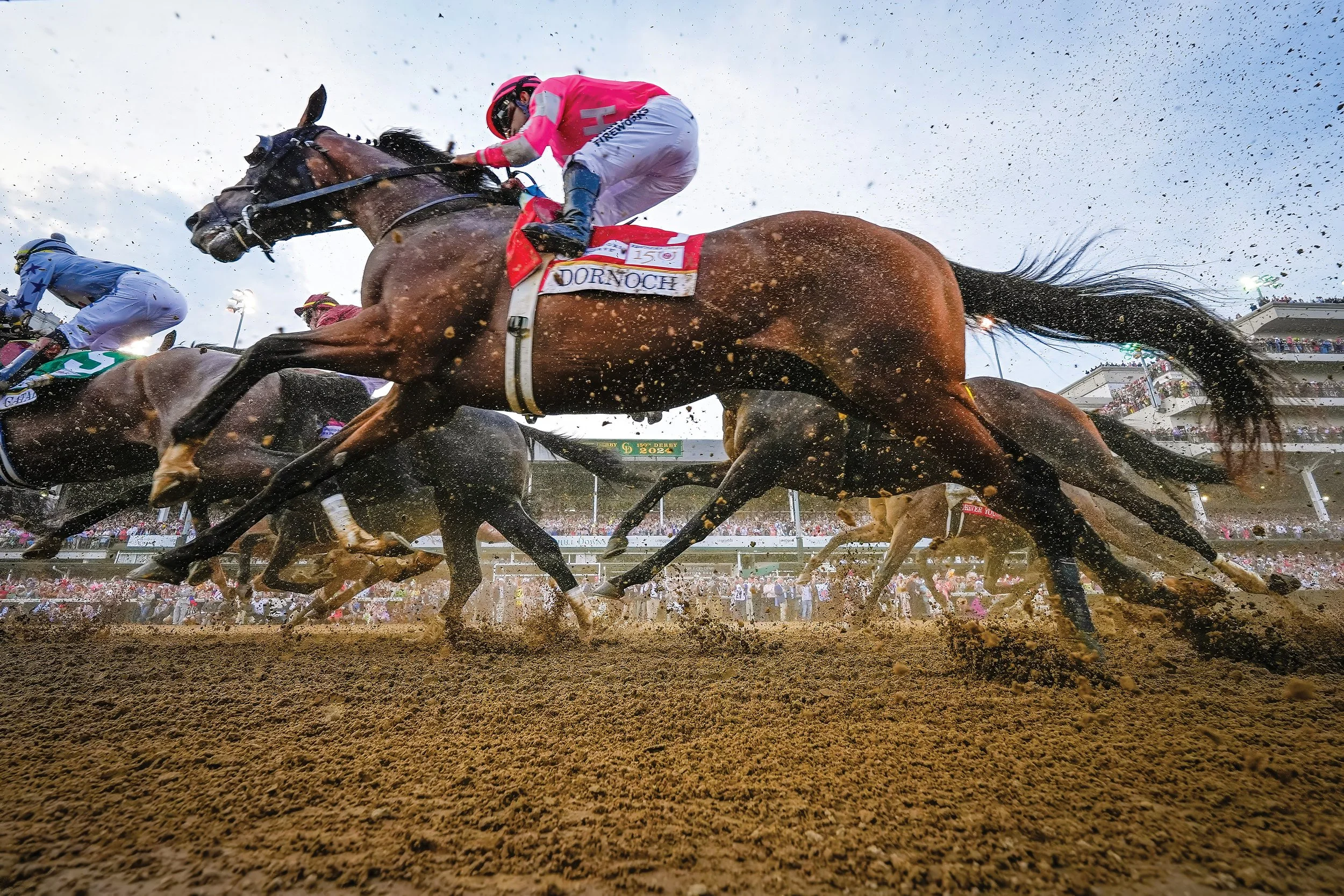
Some say that artists are born with a fascination with capturing the world round them. For Bryan Woolston, a local photojournalist, this rings true. Woolston started photography in school, using film to learn the ins and outs of taking a striking photo. His hobby continued into college and during his career in the United States Army, where he worked part-time for his city newspaper. Woolston continued his career in photojournalism, finally leading to major publications such as The New York Times, The Wall Street Journal, The Philadelphia Inquirer, The Washington Post, The Baltimore Sun, London’s Daily Mail, Time and Newsweek magazines, NBC News, Reuters News Service, The Associated Press, and more.
While every photojournalist has their niche, Woolston takes pride in not specializing in a certain type of photography. “My work captures the moment in its purity without fingerprints,” he says about the common thread in his work. He believes a photojournalist’s job is to capture a moment in its true form, without using Photoshop or preset lighting.
In a Split Second
Photojournalism differs from artistic photography by its code of ethics and regulations. “Our job is to inform people who can’t be where we are and show them exactly what we saw,” says Woolston. In the search for snapshots of fleeting moments, he has traveled around the world. From early conflict at the Polish-Ukraine border and humanitarian efforts in Haiti, to the Kentucky Derby and NFL games, his mentality is to report only what he sees, nothing more and nothing less.
Getting the perfect photo to embody these moments takes a lot of skill and technology that can match the speed and sensitivity of the event. At the Kentucky Derby, Woolston used a complex remote system to control five cameras at points on the track while keeping three cameras on his person. At other times, he stood atop a 12-foot ladder at the back of a crowd with a telephoto lens.
Time is of the essence after the photo is taken. Using his camera’s technology, he transmits his photographs straight from his camera to computers at his contracted company. The photo is only slightly edited to ensure high-quality printing by adjusting lighting and can be published within minutes.
Picturing the Future
“It’s humbling to have trust in me to photograph these events,” says Woolston. While many of his past assignments have significantly impacted him, he is especially motivated to share the stories of US Military members, humanitarian efforts, and to teach new journalists how to stay safe.
As a former member of the US Army, Woolston has a passion for ensuring that American citizens know what happens when we send soldiers overseas. By photographing training and preparation sessions of the Army, Woolston hopes to shine a light on their hard work and sacrifices.
Blending his passion for helping others with wanting to show the best of humanity, Woolston started Journey Press, Inc. This nonprofit organization “seeks to raise public awareness of positive, life-changing work and advance the causes of nonprofit partners through independent, ethical journalism.” He values telling the stories of those making a positive change in the world while also inspiring others to become more active in their humanitarian efforts.
In a time where it is dangerous to be a journalist, Woolston has first-hand experience with being in unsafe situations. He has documented riots, protests, natural disasters, and more. Woolston’s other mission is to teach the next generation of photojournalists how to stay safe through a program called Crisis Ready Media. “Journalists on the frontline are no longer innocent bystanders; they are targets who face unthinkable dangers. Crisis Ready Media equips them with the tools and support to report safely,” states Woolston.
Time and honesty are the pillars of successful photojournalism. “I believe it is the photojournalist’s responsibility to combine the art of photography with the ethical responsibility of honest journalism.”
To see more of Bryan’s work visit bryanwoolston.com or @woolstonphoto. •