

By Dee Dee Colabella
July/August
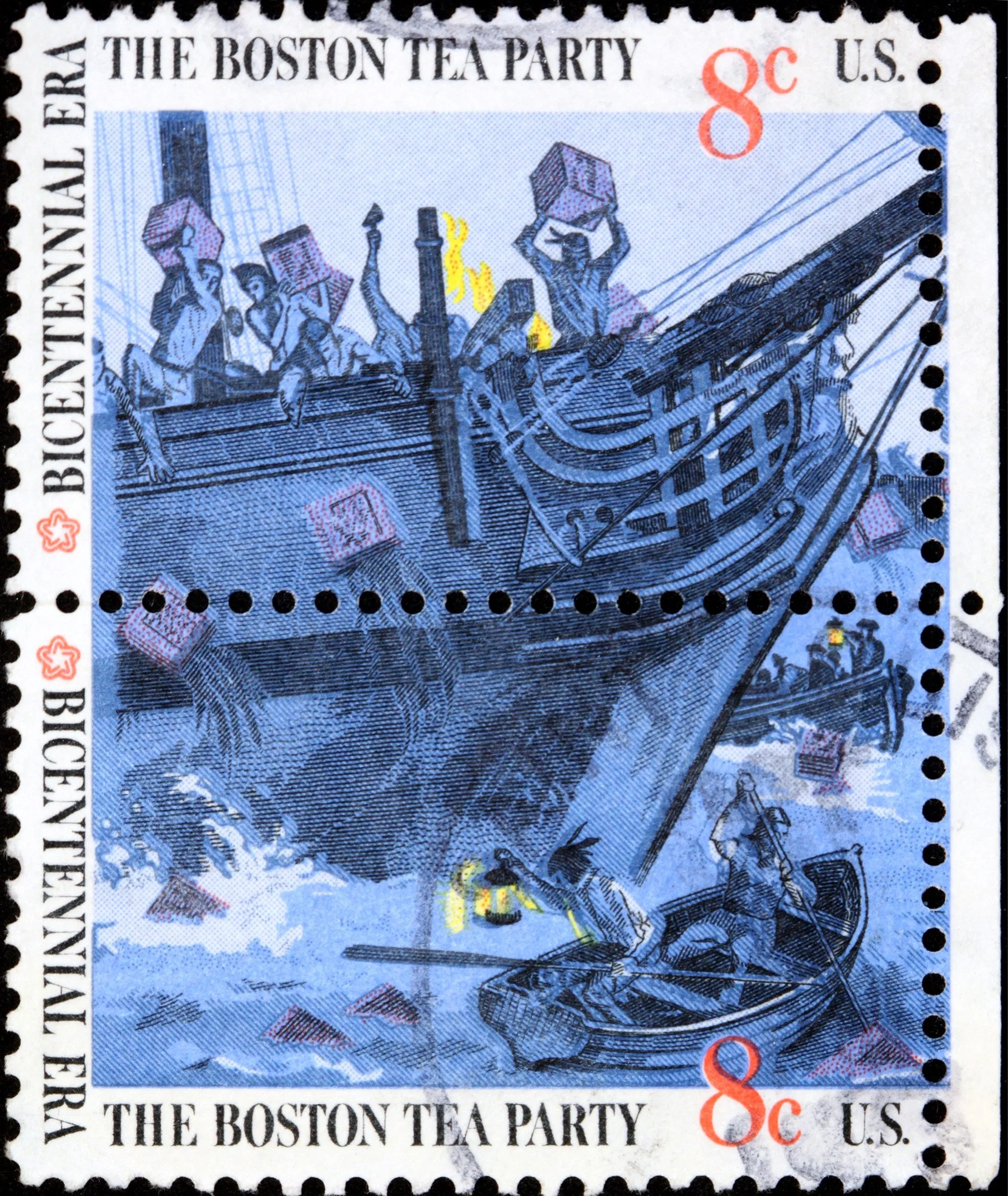
To say that the United States itself was born from protest is not unfair. The American Revolution began with growing dissatisfaction among colonists who believed they were being unfairly taxed and denied representation by Great Britain. What started as resistance to British rule eventually led to independence and a new nation built on democracy and individual rights.
The desire for change has always been part of the American story. The right to speak openly, organize around shared beliefs, and advocate for a better future is deeply connected to the freedoms protected by the United States Constitution. Throughout history, ordinary citizens coming together around a common cause have helped shape the nation’s laws, culture, and identity.
Because protest and public activism are woven into the country’s origins, grassroots movements have played a major role in defining the United States. These movements often begin with everyday people who believe something in society needs to change. Over time, many of these causes have grown into national conversations that reshaped the country’s perspectives and have continued to influence politics, culture, and the course of our nation.
The Abolitionist Movement
The abolitionist movement was driven by activists, formerly enslaved people, churches, and local organizations working to end slavery in the United States. Through speeches, publications, protests, and political activism, the movement brought national attention to the injustice of slavery.
The movement’s efforts contributed to the Civil War and the adoption of the Thirteenth Amendment to the United States Constitution in 1865.
The abolitionist movement also laid the groundwork for future civil rights efforts. While major leaders became symbols of the cause, the movement was powered by ordinary citizens who believed the country needed to live up to its ideals of freedom and equality.
The Women’s Suffrage Movement
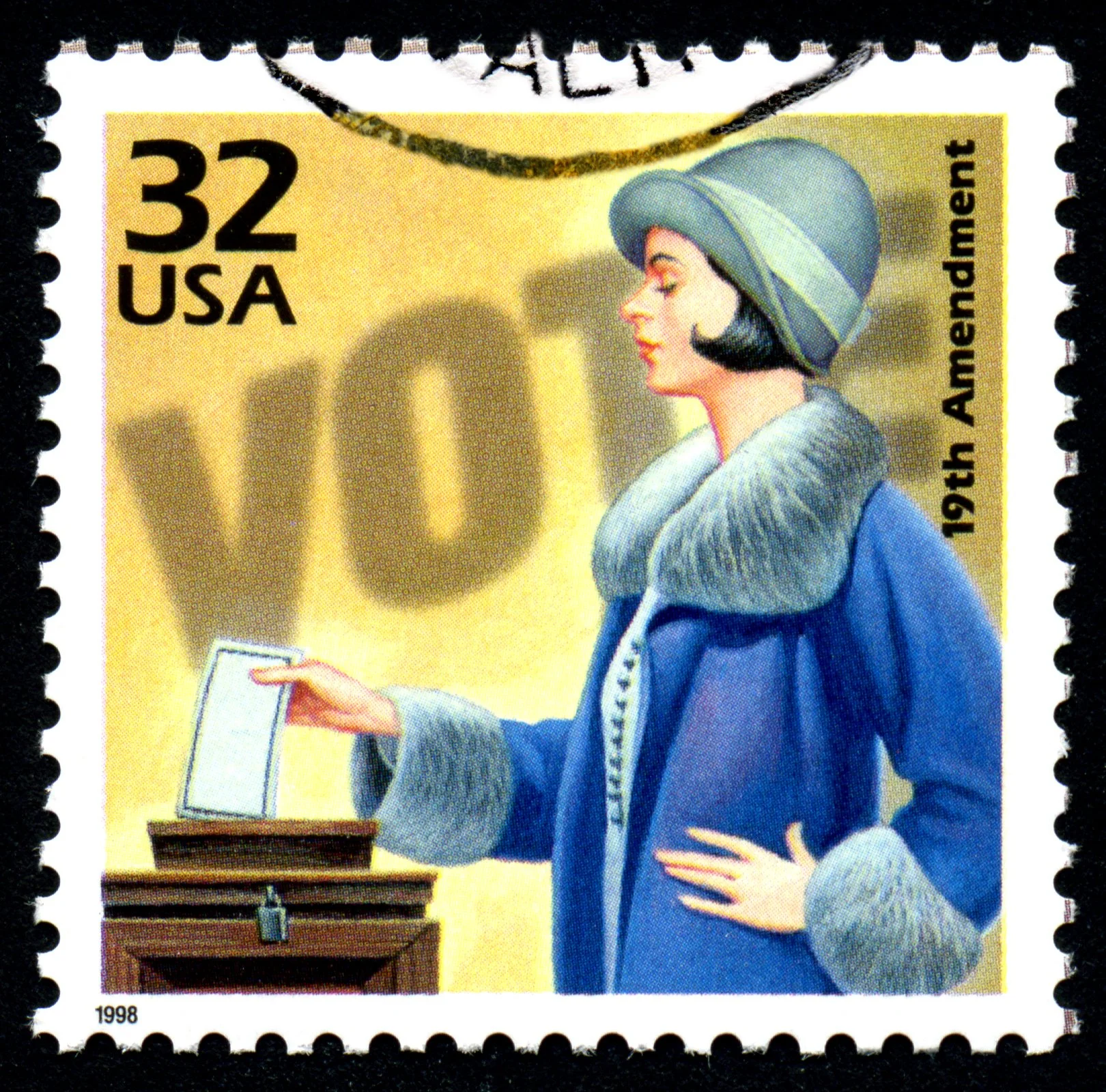
The women’s suffrage movement centered on two core beliefs: women deserved representation in government and the right to vote.
One of the defining moments of the movement was the Seneca Falls Convention in 1848. Organized by activists including Elizabeth Cady Stanton and Lucretia Mott, it was the first major convention focused on women’s rights in the United States.
The movement grew over decades with influential figures such as Susan B. Anthony advocating for equal political rights and social equality.
The movement achieved a historic victory in 1920 with the ratification of the Nineteenth Amendment to the United States Constitution, granting women the right to vote nationwide.
Mid-Century Protest Movements
The mid-20th century saw several powerful grassroots movements that reshaped American society.
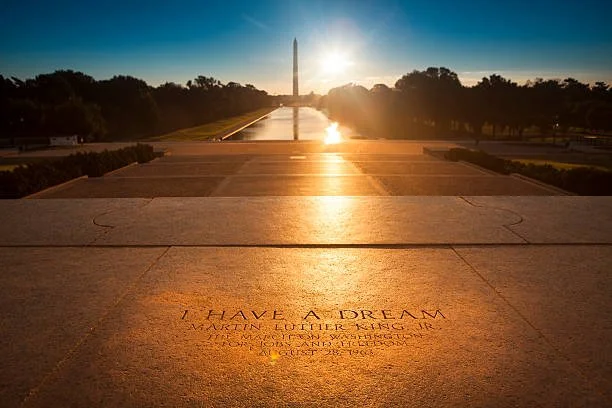
The Civil Rights Movement challenged segregation and racial discrimination through marches, protests, and acts of civil disobedience. Leaders such as Martin Luther King Jr. became lasting symbols of the movement’s push for equality and justice.
At the same time, opposition to the Vietnam War sparked protests across college campuses and cities throughout the country. Many Americans questioned U.S. involvement in the war and organized demonstrations calling for peace.
Environmental activism also gained momentum during this era, leading to increased awareness about pollution and conservation. These efforts contributed to the creation of the United States Environmental Protection Agency and major environmental protections still in place today.
Modern Political Movements
Grassroots activism continues to shape modern American politics.
The Make America Great Again (MAGA) movement grew around the political rise of Donald Trump. Combining rallies, online communities, and grassroots fundraising, the movement focuses on themes including economic nationalism, border security, and national identity. Supporters often describe the movement as representing Americans who feel overlooked.
On the other side of the political spectrum, the phrase “No Kings” has emerged in protests opposing concentrated political power or government overreach. Unlike organized political movements, it functions more as a symbolic message used across different demonstrations and causes. It is important to note that the phrase “No Kings” actually originated in the American Revolution, opposing King George III’s control of the Americas.
The Continuing Role of Protest
The United States has a long history of protest movements influencing public opinion, elections, laws, and cultural values. Some movements achieved change quickly, while others took generations. In nearly every case, change was driven not only by famous leaders, but also by the grassroots movements who believed their voices mattered. The freedoms protected by the First Amendment, including freedom of speech and the right to assemble — continue to give Americans the ability to advocate for change and help shape the future of the country. •