

How to Safeguard Your Home
Winter is the season when a not-so-jolly weather event can play havoc with your home. Ice dams, frozen pipes, misfired oil burners and extended power outages can all become winter woes that may significantly drain your wallet. What’s a homeowner to do?
Fred Whipple, General Manager and Field Manager of Total Care, a home management company, creates a pre-winter checklist for the properties he watches over. For homeowners who flee for the winter, he has an additional list.
“Each home has its own custom requirements,” says Whipple, adding there are some basics that should be on every homeowner’s to-do list.
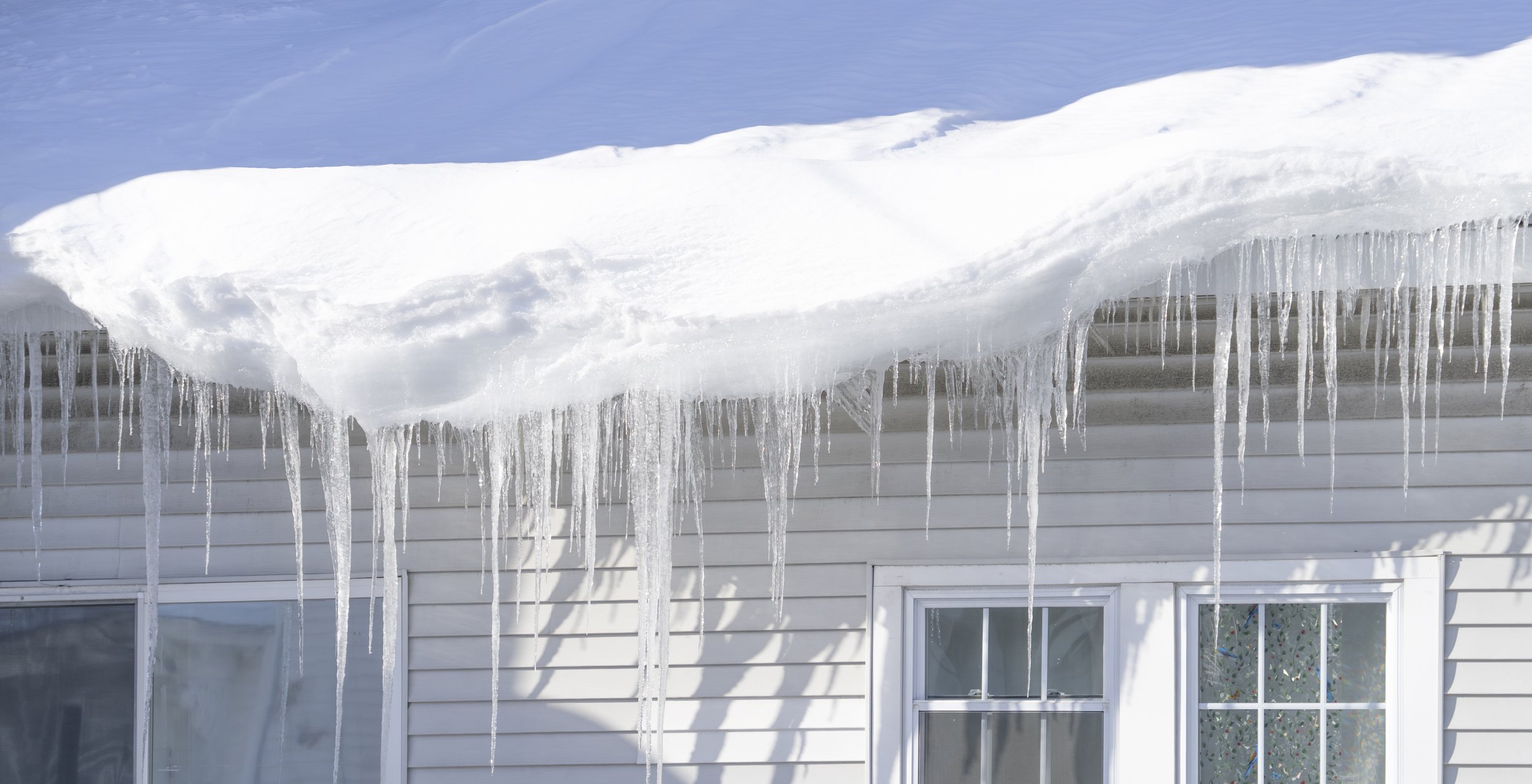
Disconnecting garden hoses, shutting off indoor water valves leading to exterior spigots, scheduling professional tune-ups for furnaces, boilers, heat pumps and generators, sweeping chimney flues to avoid creosote buildup, sealing drafty windows and doors, and winterizing pools and irrigation systems—all are essential for protecting the home.
There are also common-sense things for homeowners who are gone for the winter, like getting rid of all perishables and disconnecting appliances to safeguard against voltage spikes. Keeping heating oil and propane tanks filled and coordinating automatic delivery are essential. Whipple advises setting thermostats at 55 degrees to avoid frozen pipes.
“Making sure driveways are clear and accessible is important in case the fire or police departments need access,” says Whipple, who adds that having a hide-a-key is a good idea if you are away.
All homeowners should change thermostat and detector batteries (smoke and carbon monoxide) and prepare against seasonal invaders. Mice, moths and other pests—these unwanted visitors seeking a warm place to weather the winter can do a lot of damage if left undetected.
After nearly two decades in the business, Whipple says, water is the homeowner’s worst nightmare.
Fortunately, technology can help. Water alarm systems can alert for excessive usage and shut off the water supply before more damage occurs. Homeowners can monitor the system from their smartphones.
Many insurance companies now require alarm systems for unoccupied homes. According to Whipple they are also invaluable for all homeowners. Hot water tanks are notorious for giving out in the wrong place, at the wrong time.
“As high-tech as these alarms are, they will not pick up pinholes,” Whipple warns.
Tiny holes can develop when water with high pH corrodes pipes. Homeowners who are away for extended periods should have a regular home check before a small problem becomes a much bigger one.
Damien Sheerin, a Sales and Field Manager for Mighty Dog Roofers and Exteriors of Fairfield, agrees that water is a headache. Ice dams, he says, are one of the worst offenders.
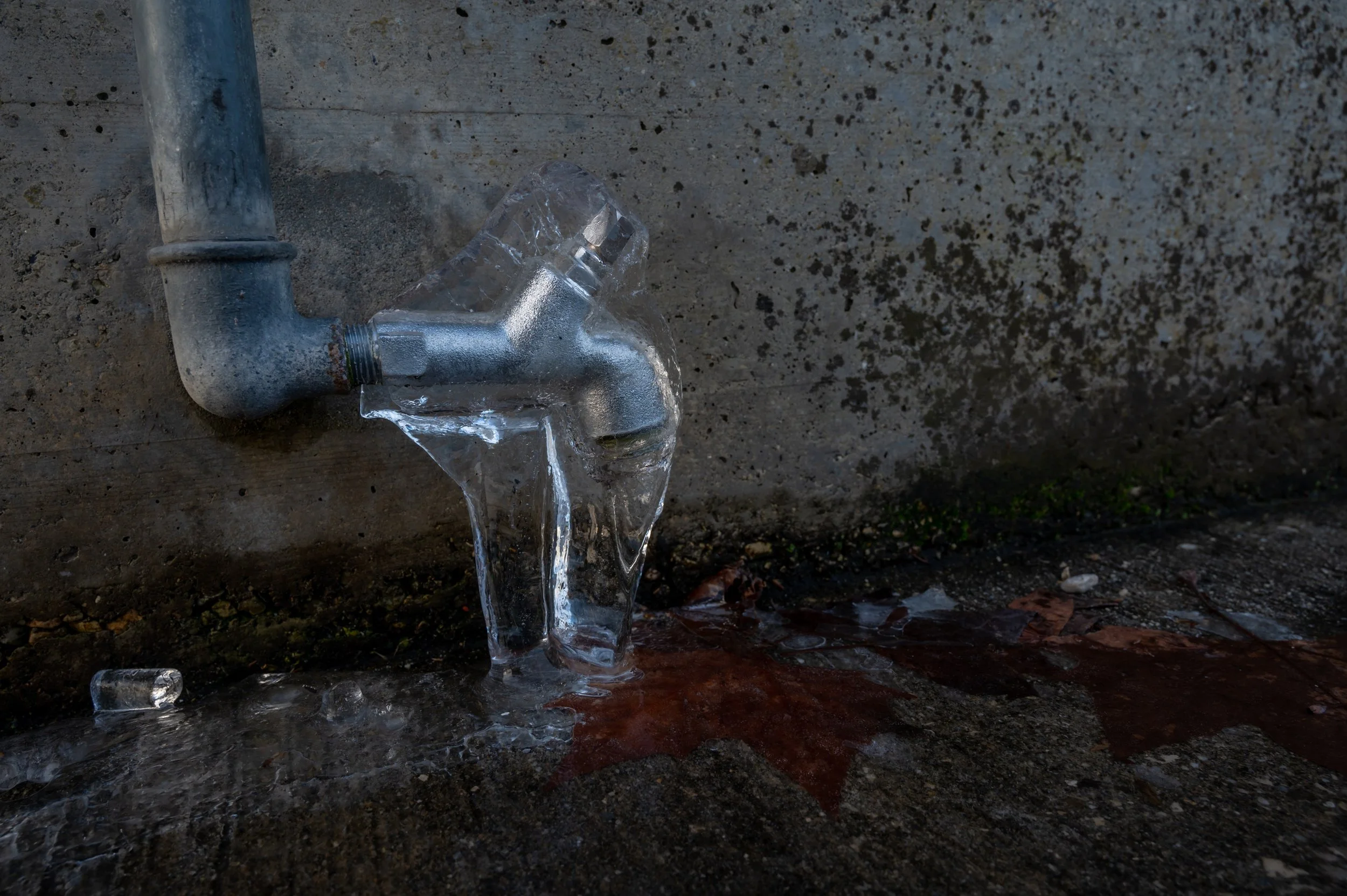
Sheerin explains that ice dams form when heat escapes from living space, warms the roof and melts snow sitting on it. The water runs toward the colder edges of the roof, where it refreezes and creates a dam. The dam blocks water from additional melting snow, forcing it underneath the shingles and potentially into the home.
Unfortunately, Sheerin says homeowners don’t realize how extensive damage can be because it isn’t always visual. Aside from peeling paint, water stains and damaged drywall, water can seep into the attic, insulation, walls and ceilings. Repeated moisture can lead to rot and mold, making it important to determine where the water has traveled. Everything in its path must be properly dried and repaired.
Repeated ice dams despite regular maintenance may signal that the real problem is not the ice, but the heat escaping from the house. Proper attic insulation, air sealing and ventilation can help keep the roof deck cold, creating a more consistent temperature from the peak of the roof to the eaves.
Sheerin, who is also a New Canaan firefighter, says the worst thing a homeowner can do is compound the problem by creating a safety issue.
“Don’t climb onto an icy or snow-covered roof and don’t try to break the ice off with an axe, hammer or other tool that can damage the shingles. Call a professional,” he advises. Planning ahead can keep your winter season jolly and your wallet intact. •