

The Truth Behind the Headlines: A Guide to Evaluating News
by Katarina Gonzalez • Designed by CT State Students Vida Goncavles, Alanny Perez, Heather Kang, and Juli Weik
January/February 2026
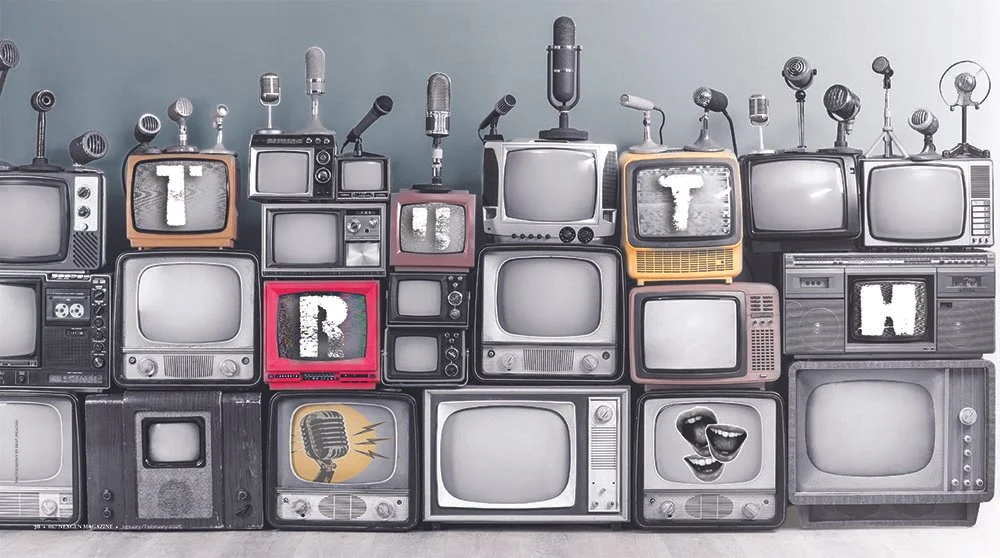
In an era where information moves faster than truth, learning to separate fact from bias has never been more important—even in the news. We live in a world where subtle lines are drawn between us, even unconsciously, though the choices are rarely clear-cut. Whether you’re researching for a class project or simply trying to stay informed, understanding how to spot bias in the news can help you know what you’re really consuming.
Understanding Different Types of Bias
Bias isn’t always about being dishonest—sometimes it’s about what’s left out or how a story is told:
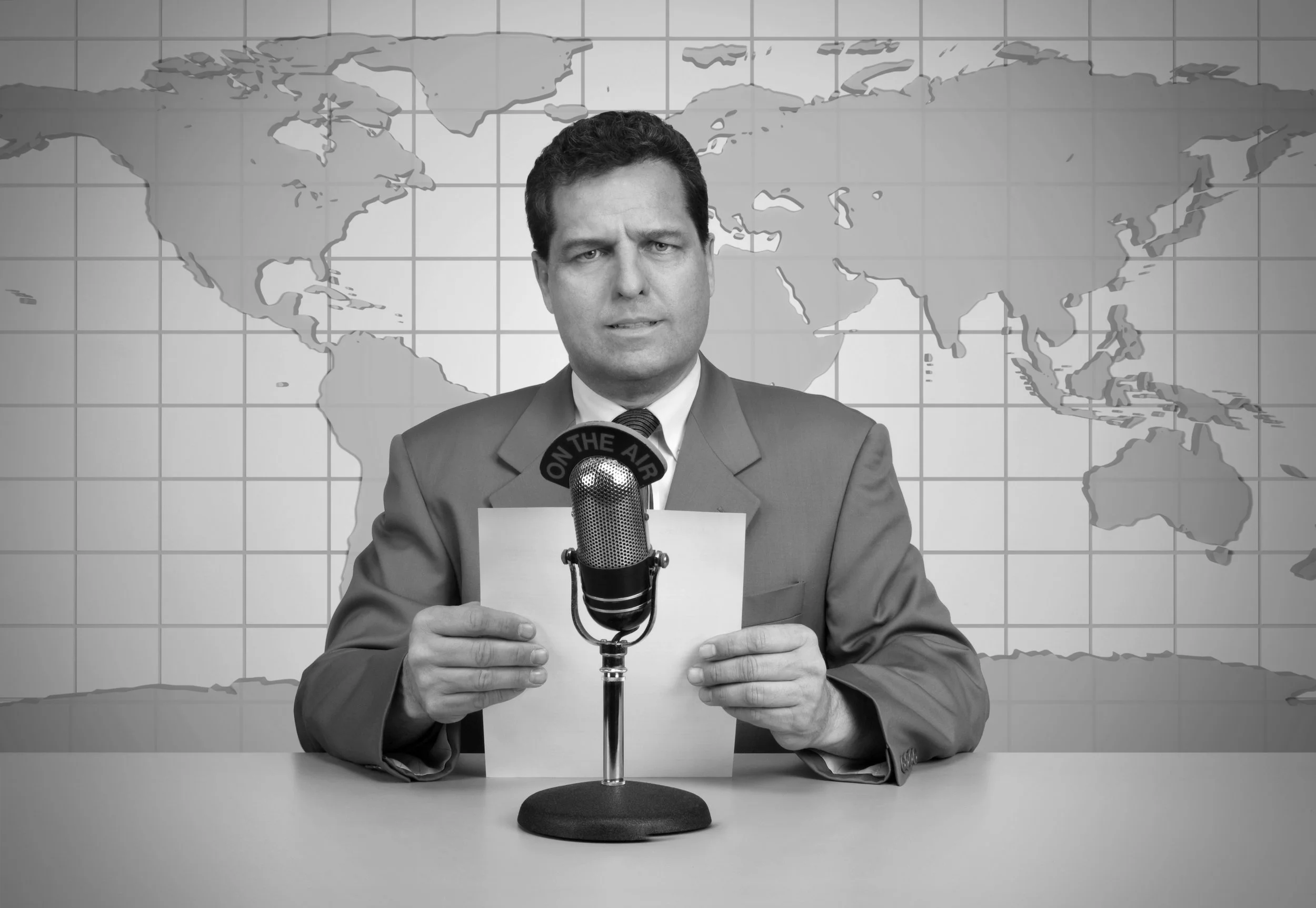
Selection bias occurs when outlets choose which stories to highlight and which to ignore, shaping an incomplete picture of reality. Bias can influence how stories are presented—the same event can look completely different depending on the headline, images, and context. Even subtle word choices can signal bias: describing a political gathering as a “rally” versus a “mob” immediately changes the reader’s perspective.
Source bias appears when reporters rely heavily on one type of source while excluding others. For example, a story about minimum wage that only quotes business owners, while overlooking the workers’ perspectives. Placement also matters—what appears in the opening paragraph will obviously receive more attention than what’s buried in the middle or at the bottom.
Red Flags to Watch For
Several warning signs can help identify bias. Be cautious of headlines that provoke emotions. Articles that rely on anonymous sources or quote only one viewpoint deserve extra attention. Missing context is another major red flag—if a story feels simple, check to make sure essential information isn’t missing.
Opinions are increasingly blending into reporting, and while that can make stories engaging, it also blurs the line between fact and interpretation. Watch for language like “always” or “never”, and be wary of generalizations.
Even basic statistics can be misleading. Picking and choosing specific data points or time frames can make a trend look real when it’s not. When you see a number from a study, ask questions: How many people were involved? What did the researchers do? Could the results be random? And remember, just because two things happen together doesn’t mean one caused the other.
Practicing Fact-Checking
Don’t just take a story at face value–get in the habit of cross-checking it. See whether multiple credible outlets are reporting the information. If a story is covered by only one source–or by several sources all sharing the same viewpoint–approach it with skepticism.
When evaluating sources, consider their expertise and potential conflicts of interest. For example, a pharmaceutical company commenting on drug prices brings one perspective, but it’s also worth hearing from patients, researchers, or policy makers. Be watchful of “experts” on social media, as they can have biases influenced by funding, affiliations, or personal beliefs.
Lastly, a useful tool also known as, “the SIFT method” developed by digital literacy scientist Mike Caulfield, offers a framework: Stop when you encounter new information, Investigate the source, Find better coverage if necessary, and Trace claims back to their original context. With practice, this becomes second nature.

Building Media Literacy Habits
While good media literacy takes practice, it’s beneficial. Learn to read news from different sources—left-leaning, right-leaning, and international outlets. Look to see how different perspectives cover the same story.
Spotting bias doesn’t mean throwing out the whole article. Pay attention to word choices, what gets emphasized, and what gets left out. Compare multiple sources on important stories while asking yourself what each one includes or ignores.
Overall, this matters because it helps us form our own opinions instead of adopting someone else’s. In a world full of competing narratives, knowing how to think critically about what you read is becoming an increasingly essential and important skill. •
CHECKING RESOURCES
Several trusted organizations specialize in verifying claims made in the media. The CSI Library (CUNY) has a large list of websites for proper fact-checking, including:
• FactCheck.org, run by the Annenberg Public Policy Center, focuses on U.S. politics with detailed analysis.
• Snopes.com has evolved from debunking internet myths to verifying a wide range of stories and viral claims.
• PolitiFact rates political statements on its “Truth-O-Meter,” from “True” to “Pants on Fire.”
• AllSides and Media Bias/Fact Check assess outlets’ political leanings and factual accuracy.
• Ground News allows readers to compare how different outlets frame the same event, making bias easier to spot.