

Written, Photographed and Designed by Max Perez Central Connecticut State University
Along Connecticut’s shoreline, winding tidal creeks cut through fields of cordgrass, and the rising and falling waters of Long Island Sound transform mudflats, creating a hunting ground for some of Connecticut’s most impressive birds. At first glance, you may not see much movement when looking out into a marsh, but that doesn’t necessarily mean nobody’s home. If you look closer, you may just spot a heron standing motionless at the water’s edge or slowly stalking through the environment. These creatures are the true masters of this constantly changing landscape.
While Connecticut’s coastal marshes may appear quiet from a distance, they are one of the most productive habitats in the state. Twice a day, the environment is reshaped by the tides. Mudflats are hidden beneath the water and revealed hours later. A feeding ground filled with crabs, fish, and other small animals has been created. These wetlands also provide a nursery habitat for fish and shellfish, help filter pollutants, and store floodwater along the coast.
For herons, this sudden abundance of life is exactly what they have been waiting for.
Meet the Masters:
There are quite a few species of herons that can be found amongst Connecticut’s marshes, but each approaches this environment a little differently. The Great Blue Heron is the largest, standing nearly four feet tall. They move deliberately through shallow water before striking their prey with their long, spear-like bill. Although Great Blues are more often associated with freshwater ponds and rivers, they are also regular visitors to Connecticut’s coastal wetlands.
The Great Egret is second to the Great Blue in size amongst herons in Connecticut, and uses a similar hunting strategy. Their plumage, however, is different. These Egrets have an unmistakable brilliant white plumage, with long black legs and a yellow bill. The Snowy Egret, its smaller relative, can often be seen running through shallow water. It is easily recognizable by its bright yellow feet, which they use to disturb small fish and other hidden prey.
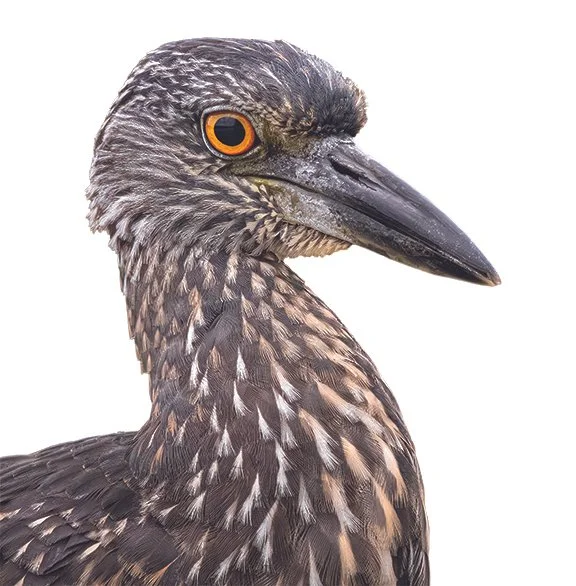
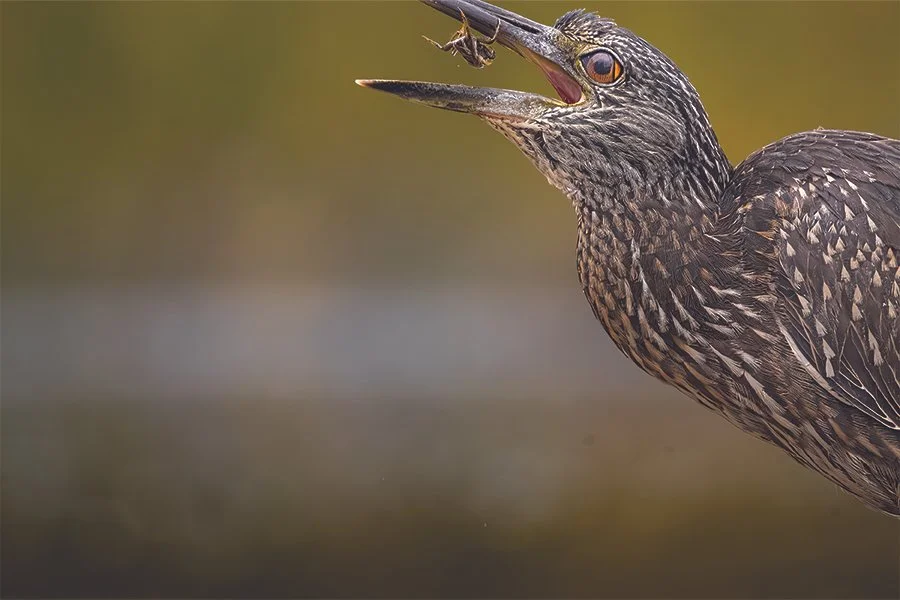
Then there are Connecticut’s night-herons. Black-crowned and Yellow-crowned Night-Herons also use the marshes to their advantage. Despite their name, night-herons aren’t restricted entirely to nighttime. Juveniles can sometimes be found hunting exposed mudflats in broad daylight as they develop their hunting skills. This is something I have witnessed myself along Connecticut’s coast, where juvenile Yellow-crowned Night-Herons can be seen slowly stalking crabs and other prey across the mud. While adults have beautiful and striking plumage, juveniles are dull brown, covered in light spotting.
See For Yourself:
Few places offer a better opportunity to experience this habitat than the Connecticut Audubon Society’s Coastal Center at Milford Point. It sits beside the expansive Charles E. Wheeler Salt Marsh at the mouth of the Housatonic River. More than 300 bird species have been recorded across the sanctuary. For someone hoping to see Connecticut’s Herons for themselves, it is a great place to visit.
These landscapes, however, have not always been valued in the same way they are today. Unfortunately, Connecticut has lost more than one-third of its historic tidal wetlands. While marshes were once viewed as useless swamps, they are now understood to be an important ecosystem for all different kinds of life.
Perhaps that is what makes watching a heron in a Salt Marsh so captivating. Not moving a muscle, while everything around it changes. Water rises and falls. Prey disappears and reappears along the mudflat. And through it all, the heron waits motionless, patient, and perfectly at home.
A true master of the marsh. •