

Written by Dyan Miller Designed by CT State Student Juli Weik
Anime has evolved far beyond its origins as Japanese animation. Today, it stands as a global cultural force—one that blends storytelling, creatively crafted visuals, and emotional resonance. While Anime may not be historically represented as blockbuster films or other mainstream sources in the West, its growing influence across the world raises a compelling argument: anime is not just entertainment, but a widely celebrated popular art form.
Let’s face it, there is no mistaking the Anime style once you’ve seen it, but there are nuanced differences which can almost act as a creative signature of the creating studio, earning dedicated fans of a particular style. Anime encompasses a broad spectrum of visual approaches shaped by different studios, directors, and creative teams. Some works emphasize fluid, realistic motion; others embrace bold, exaggerated designs or intricate fantasy worlds. This diversity mirrors the variability seen in painting, sculpture, or cinema, where each creator’s style contributes to a richer artistic landscape. Because no two anime series look alike to the experienced eye, audiences are exposed to a wide range of visual expression, making the medium both creatively flexible and culturally significant.
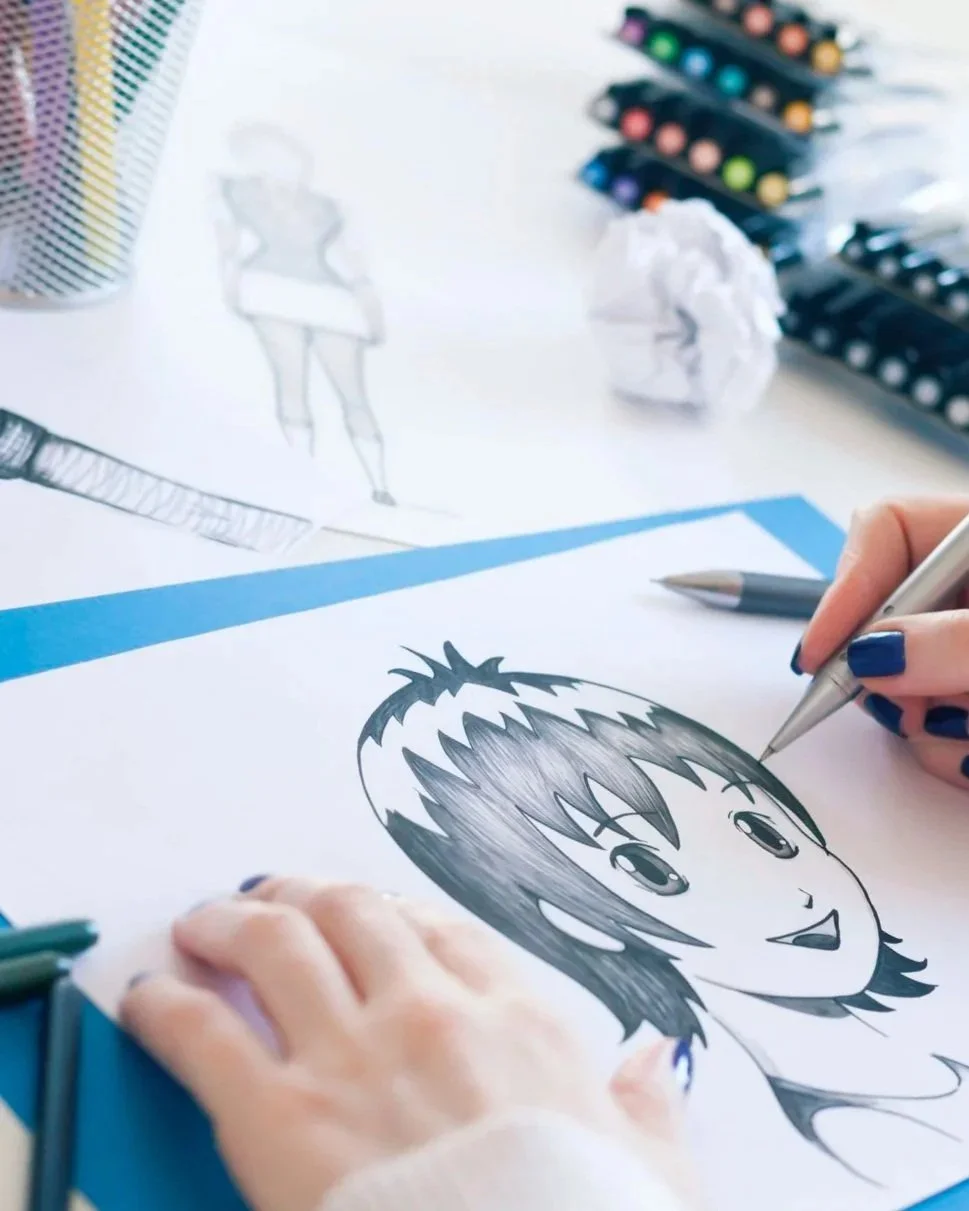
“One of the things my students want to learn the most is the ‘anime’ art style,” said Dylan Desmarais, Illustration Instructor at RPAC Art Center. “Drawing Anime is how I started, and it’s a great introduction to character design.
Anime also spans an impressive array of genres and themes. Anime includes everything from heartwarming slice-of-life stories to action-packed adventures, philosophical narratives, and experimental works. Some stories are really best told with Anime, as the style yields an otherworldly quality to it that simultaneously touches the audience in their own life experiences. This versatility allows anime to appeal to an extraordinarily broad audience. Whether someone is drawn to complex narratives like One Piece, which has accumulated over a thousand episodes, or prefers fantastical worlds found in long-running franchises like Pokémon, anime offers something for nearly everyone. Many fans will tell you that the experience of finding and connecting with an anime series is a profound connection with the passion of the Anime artist, the story, and the characters as well as a deeper connection within their own life experiences.
Beyond its visual and narrative qualities, anime has become a powerful cultural connector, drawing people together across geographic and linguistic boundaries. Anime conventions in the United States—such as Anime Boston in Massachusetts or Anime Expo in Los Angeles—demonstrate this collective enthusiasm. Anime Expo alone attracts hundreds of thousands of attendees each year, making it one of the most significant fan gatherings in the country. These conventions function much like art festivals: spaces where individuals who share an appreciation for creative expression can meet, celebrate their interests, and build community. Once you get a glimpse into the Anime world, it’s amazing how deep you can go.
Cosplay, a major feature of these events, further illustrates anime’s artistic impact and the passion it invokes in its fan base. Dressing as characters from favorite series is not merely an act of fandom; it is a creative discipline involving costume design, makeup artistry, prop crafting, and performance. Cosplay brings anime characters into the real world through craftsmanship and imagination, emphasizing the blend of artistic interpretation and personal expression that makes the anime community so vibrant.
The influence of anime also extends into other cultural domains, including gaming, merchandise, and digital media. The Pokémon franchise demonstrates this reach especially well. Its impact is not limited to television or film; fans trade cards, collect merchandise, and participate in battles and events. The release of Pokémon GO in July 2016 expanded the franchise’s cultural presence even further. Within just one month, the app had been downloaded over 100 million times on Google Play alone! Very few mediums like Anime blend entertainment with so many different art forms, from fashion, to illustration and animation, to writing.
“One of the things my students want to learn the most is the ‘anime’ art style,” said Dylan Desmarais, Illustration Instructor at RPAC Art Center. “Drawing Anime is how I started, and it’s a great introduction to character design. “It’s a great jumping off point to learn about the nuances of illustration, and it’s a passion that can carry an artist through their entire career.”
Ultimately, anime’s status as a popular art form stems from the powerful ways it blends creativity, community, and emotional depth. It invites people into imaginative worlds, inspires artistic expression, and fosters connection among fans worldwide. Whether you are already a fan, or simply curious about some of the series you’ve seen advertised on your streaming services, I invite you to give it a try. It might ignite something in you! •